プロポリスの選び方マニュアル

プロポリスは、ミツバチによって作り出される健康物質です。
数百もの成分を含有するのが特徴で、プロポリスにしか含まれていない特別な成分も存在します。
本来は、その優れた殺菌力によって巣の内部の衛生状態を確保するためのものですが、人間は古くからその有用性を知り、何千年にもわたって活用し続けてきました。
このサイトでは、そんなプロポリスの効果・効能・作用などについて解説。
プロポリス製品の有用性や品質についても説明していきます。
プロポリスとは

プロポリスは、花粉や樹液などを原材料にミツバチが作り出す自然由来物質です。
ミツバチはこれを巣の修理や補強などに使用しています。
抗菌作用に優れた樹液を原材料に使用しているため、非常に優れた抗菌作用を持っているのがポイントです。
その抗菌作用によって、雑菌が繁殖しやすい高温多湿の巣内の衛生状態を保っています。
ミツバチは樹液の抗菌作用を本能的に知り、巣の衛生管理に活用しているのです。
また、プロポリスは同じミツバチ由来のローヤルゼリーや蜂蜜と比べると「採取量が少ない」のが特徴です。
人為的に合成することもできないため、極めて希少価値の高い物質と評価することができます。
味・匂い

プロポリスには非常に強い苦味があります。
さらに、強力な刺激もあるため「まずい」と評価されることが殆どです。
高品質なプロポリスの場合、匂いは決して「くさい」というものではありませんが、刺激やクセが強いため好き嫌いが分かれるところ。
これらの特徴を持っているため、製品を購入するときは可能な限り味や匂いが気にならないように配慮された製品を選ぶことをおすすめします。
作用
プロポリスには、非常に多くの栄養素が含有されています。
それらの栄養素の働きによって、様々な作用が期待されています。
具体的には、以下のような作用が挙げられます。
抗菌・殺菌作用
プロポリスの働きのなかでも特に注目したいのが、抗菌作用と殺菌作用です。
ウイルスや細菌から身体を守る働きが期待されています。
風邪やインフルエンザを予防したい場合、歯周病を予防したい場合などに役立つ作用です。
抗酸化作用

プロポリスには、抗酸化作用を持つ成分が豊富に含有されています。
抗酸化作用とは、体内で過剰に発生してしまった活性酸素を取り除く働きのこと。
活性酸素は、本来身体を守るための防御機能です。
しかし、ストレスや紫外線、生活習慣の乱れなどでその数が増えてしまうと、その攻撃性の強さから自分自身の体(細胞)を傷つけてしまうことがあります。
これが老化や病気など様々な体調不良の原因となっていると考えられています。
抗酸化作用を持つプロポリスは、そんな活性酸素を除去することができるため、健康と美容に優れた効果が期待されています。
鎮痛・抗炎症作用
プロポリスには、炎症を低減させる働きが認められています。
また、痛みを抑える鎮痛作用も期待されています。
医薬品の効果を高める作用

プロポリスには、医薬品の効果を高める作用も期待されています。
特に、抗がん剤の副作用を軽減させる作用には注目が集まるところ。
ただし、医薬品の効果を阻害してしまうケースもあるので注意が必要です。
医薬品と組み合わせて使用したい場合は、予め、かかりつけ医師に相談しておくのがおすすめです。
その他の成分
上記以外には、抗腫瘍作用などの働きも期待されています。
また、生理活性作用や免疫力を調整する作用、整腸作用、抗アレルギー作用などの働きがあると考えられています。
精神安定作用や食欲増進作用などの働きも注目したいポイントです。
これらの働きが複合的に身体に影響を及ぼして、健康や美容などの幅広い目的に効果を実感することができるのがプロポリスの長所です。
産地

プロポリスを作り出すことができるのは、セイヨウミツバチという品種。
この種類の蜂が生息している地域では、どこでもプロポリスを採取することができます。
そのため、日本を含むアジアやドイツなどのヨーロッパ、オーストラリアなどのオセアニア、ブラジルなどのアフリカなどなど、世界各地でプロポリスが生産されています。
また、プロポリスの原材料となるのは、花粉や樹液などの自然の物質です。
そのため、周辺の植物相(=起源植物)によってプロポリスの含有成分が異なります。
つまり、産地によって起源植物が異なるため、プロポリスの品質(有用成分の含有量やバランス)が大きく左右されるのです。
以下では、産地別に代表的な起源植物をまとめてみました。
| ブラジル | オーストラリア | 中国 | ヨーロッパ |
|---|---|---|---|
| アレクリンドカンポ、バッカリスドゥラクンクリフォリアなど | ユーカリなど | 白樺、ポプラ、ヤナギなど | ポプラ、カシ、モミなど |
世界中で採取することができるプロポリスですが、産地としては上記したエリアがポピュラーです。
エリア別に、原材料となる植物(=起源植物)が大きく異なることがわかると思います。
オススメはブラジル産

そして、上記したなかでも、特に注目したいのが「ブラジル産」です。
ブラジル産の起源植物となるのは、南米固有のハーブであるアレクリンドカンポやバッカリスドゥラクンクリフォリアなど。
これらの植物から作り出されるプロポリスには、フラボノイドや桂皮酸誘導体などの有用成分が非常に豊富に含有されています。
また、ブラジルには、プロポリスづくりに適したアフリカナイズドミツバチという蜂種が生息しています。
別名キラービーとも呼ばれるほど攻撃性の強い蜂ですが、その防衛本能の強さから、非常に優れた抗菌作用を持つプロポリスを作ることができます。
プロポリスづくりに最適な蜂種として評価されているのです。
また、自然が豊かであるというのもポイントの一つ。
大気汚染などのリスクが少ないため、安心して摂ることができます。
ブラジル産のメリットをまとめると以下のとおりです。
- 生息する蜂種がアフリカナイズドミツバチである
- 起源植物が南米固有のハーブで、健康や美容への有用性が高い
- 自然が豊かで安全性が高い
また、ブラジル産のなかでも特に優れた品質のプロポリスが採取できるエリアとして、ミナスジェライス州が評価されています。
プロポリス関連製品を購入する際は、ブラジル・ミナスジェライス州産の原材料を使用した製品を選ぶことをおすすめします。
プロポリスの製品の種類
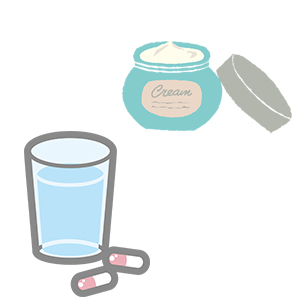
プロポリスは非常に有用性の高い健康物質として評価されていて、そのパワーは様々な種類の製品に応用されています。
美容関連製品では保湿クリームなどの基礎化粧品に配合されることもありますし、石鹼に配合されることもあります。
また、その優れた殺菌作用を活かして、口内ケア製品に使用されることも少なくありません。
口内ケア製品としては、マウスウォッシュや歯磨き粉などが代表的です。
これらを活用することによって、歯周病や歯槽膿漏などのケアや口臭改善に効果を期待することができます。
健康食品・サプリメントについても、様々な形状が登場しています。
最も代表的なタイプとして挙げられるのは、カプセル・粒タイプ。
錠剤のような形になっているため、プロポリスの風味を感じることがなく、続けやすいのが長所です。
原液タイプやスプレータイプなどもありますが、これらは味・匂いなどが気になるケースが多いため、おすすめはできません。
また、グミやキャンディなどの続けやすい形状のものもありますが、これらの形状だと含有量が乏しいのがデメリット。
なかなか満足のいく効果を実感することができません。
そのため、健康や美容のためにプロポリスを摂取する場合は、粒(カプセル・錠剤)タイプを選ぶことをおすすめします。
プロポリスの選び方
「どんな風に製品を選べば良いか分からない」
「初めてプロポリスを購入するので選び方が不明」
当サイトでは、そんな方のために、有用性の高い製品の選び方を詳しく解説しています。
目的や用途、身体との相性に合わせて、理想のサプリメントを見つけましょう!
製品選びの重要性

優れた成分・作用を持つプロポリスですが、残念ながらそのパワーを十分に引き出すことができていない製品も少なくありません。
そんな製品では、いくら続けても、なかなか満足のいく変化は訪れません。
良質な製品を選ぶことができれば、想像以上にスムーズに効果を実感することができることもあります!
つまり、健康維持が目的でも、美容が目的でも、より高品質でコストパフォーマンスに優れた良品を見つけることが非常に重要なのです。
そこで当サイトでは、製品選びに役立つ様々なコラムをご用意しました。
ランキングを活用して選ぶ
- 有用性の高い製品を教えて欲しい
- あれこれ悩まずに今すぐ高品質な製品を手に入れたい
- 今まで自分で選んできたけど失敗が続けいている
- 確実に良品を選びたい

これらの項目に当てはまる場合は、ランキングで製品を選ぶことをおすすめします。
ランキングでは、コストパフォーマンスや飲みやすさはもちろん、クチコミでの評価や含有量、原材料の質などを徹底比較して、本当に高品質と判断できたものだけを掲載しています。
そのため、ランキングから製品を探せば、サプリ選びに失敗することもありません。
上手に活用して理想のサプリメントを見つけましょう!
くちこみ情報を参考にする

くちこみ情報を参考にすることで、プロポリスについてのリアルで詳細な情報をチェックすることができます。
・飲みやすいサプリは?
・コストパフォーマンスに満足できているかどうか
など、製品選びに役立つ情報をまとめているので、ぜひ、参考にしてみてください。
また、まだプロポリスを購入するかどうか…という点で悩んでいる方の判断材料としてもおすすめです。
実際にプロポリスを飲んだ方の意見をチェックしてみたい場合は、ぜひご一読ください。
続けやすさから選ぶ

プロポリスは、一度や二度飲んだだけで効果を実感できるというものではありません。
継続して摂取することによって、満足度がグッと高まっていくという性質があります。
その為、より続けやすい製品を選ぶというのは非常に重要なポイントです。
そこで当サイトでは、続けやすい製品の賢い選び方を解説。
無理なく続けていくことができる製品を探す際のチェックポイントをまとめました。
ぜひ、参考にしてみてください。
プロポリスの注意点
プロポリスには優れた効能が期待されていますが、使用する際に注意が必要なケースもあります。
ここでは、そんな注意点をまとめました。
使用しない方が良いケース
プロポリスを使用しない方が良いケースもあります。
以下に該当する場合は、摂取を避けた方が良いかも知れません。
(どうしても摂取したい場合は、かかりつけ医に相談しましょう。)
妊娠・授乳中

妊娠・授乳中は、普段よりも身体がデリケートになっています。
プロポリスには様々なフラボノイドが含有されており、その中には、植物エストロゲンとして働くイソフラボンなども挙げられます。
妊娠・授乳中はホルモンバランスが非常に乱れやすい時期です。
エストロゲン様作用を持つサプリメントを継続して摂るのは避けた方が良いでしょう。
医薬品
基本的には、プロポリスと医薬品を同時に摂取するのは避けた方が良いでしょう。
例えば、血液を固まりにくくする抗凝固剤のワルファリンは注意したい医薬品の一つ。
この薬は、血栓の治療などに用いられます。
プロポリスがワルファリンの働きを阻害する明確な根拠はありませんが、過去には、同時に摂取したことによる凝固能異常亢進の報告もあるようです。
もちろん、ワルファリン以外の医薬品の場合でも注意が必要です。
現在服用している医薬品がある方でプロポリスの摂取を検討している場合は、必ずかかりつけ医に相談するようにしましょう。
子供

基本的には、子供・幼児に与えるのは避けるべきでしょう。
必ず避けるべき…という訳ではありませんが、子供にとってはプロポリスの刺激が強すぎるケースもあります。
どうしても与えたい場合は、パッケージの裏面や説明書などに記載されている対象年齢を確認するようにしましょう。
メーカに確認するとより安心です。
また、少量から始めて、体調を確認しながら少しずつ増やすようにする…という方法もありますが、やはりメーカーに確認することをおすすめします。
アレルギーのリスク
プロポリスは健康食品なので副作用を引き起こすということはありません。
しかし、食品である以上、避けられないリスクがあるのも事実。
そのリスクとは、ずばり、アレルギーです。
アナフィラキシーショックなどの重篤な症状を引き起こす可能性もあります。
以下に該当する場合は、特に注意が必要と言えるでしょう。
- ハチ、ハチミツなどの蜂由来食品、針葉樹、サリチル酸などにアレルギーがある場合
- 喘息を患っている場合
上記したケースに当てはまらない場合でも、アレルギー体質の場合は注意が必要です。
心配な要素がある方は、かかりつけ医に予め相談するなど慎重に使用するように心がけましょう。
プロポリスの効果・効能
プロポリスには、様々な効果・効能が期待されています。
以下では、その具体例をまとめました。
健康維持への効果
プロポリスは、毎日をイキイキと健康的に過ごしたい方におすすめ。
年齢や性別を問わず、様々な効果を期待することができます。
・年齢に負けずにいつまでもハリのある日々を過ごしたい
・免疫力UPに取り組みたい
・ぐったり/へとへとを解消したい
などなど、幅広い目的に活用することが可能です。
生活習慣病の予防

プロポリスには、生活習慣病を予防する効果が期待されています。
生活習慣病は、生活習慣の乱れによって生じる病気の総称。
かつては成人病と呼ばれていました。
生活習慣病の具体的な原因としては、偏った食生活や不規則な生活リズム、運動不足などが挙げられます。
また、喫煙や過度のアルコール摂取も生活習慣病のリスクを急増させる要因です。
プロポリスのサプリメントを摂取することで予防や改善が可能ですが、それと同時に、上記したような生活習慣の乱れを見直すことも非常に重要。
その点をしっかりと意識しながらプロポリスを活用すると、生活習慣病の予防と改善に効率良く取り組むことができます。
動脈硬化
動脈硬化は、もっとも代表的な生活習慣病の一つ。
血中の悪玉コレステロール値が上昇して血液がドロドロになり、血管にダメージ・負担がかかることによって引き起こされます。
また、過酸化脂質が血管の壁に蓄積されることも動脈硬化の原因です。
血管のしなやかさが失われて硬くなってしまう病気で、動脈硬化自体には目立った自覚症状はありませんが、心筋梗塞や脳梗塞などの重篤な病気の発症リスクが急増するため、早めに対策を講じることが重要です。
プロポリスは、そんな動脈硬化の予防にも効果を発揮します。
役立つのは、桂皮酸誘導体やフラボノイド類による優れた抗酸化作用です。
脂質の分解を妨げて過酸化脂質を作り出し血管の老化の原因となる「活性酸素」を除去することで、動脈硬化をケアします。
高血圧
高血圧とは、安静な状態で測定した血圧が正常値よりも慢性的に高い状態を指します。
常に血管に負担がかかっている状態になるため、動脈硬化などの合併症を引き起こしやすいのが特徴です。
生活習慣の乱れだけでなく、遺伝的要因によって引き起こされるケースもあります。
とはいえ、アルコールや塩分の摂りすぎが原因となることが多いため、心当たりがある場合は、摂取量を意識的に抑えることが必要です。
プロポリスが高血圧の予防に適している理由は、カリウムというミネラルを含有している点にあります。
カリウムはナトリウム(塩分)の排出に欠かせない栄養素です。
過剰に摂取してしまった塩分の排出をサポートして、高血圧を予防します。
糖尿病
糖尿病とは、インスリンが不足することによって生じる病気。
1型と2型の二種類がありますが、食生活の乱れや運動不足、肥満などによって引き起こされる2型が全体の約90%を占めています。
病気が進行すると神経障害や心臓病などの合併症が生じるため、早めに対策を講じることが重要です。
プロポリスは、そんな糖尿病のケアにも効果を発揮します。
その最大の理由として挙げられるのが、フラボノイド類やビタミン類などに期待されている脂肪の燃焼をサポートする作用です。
内臓脂肪の蓄積を防ぐことで、糖尿病の予防に役立ちます。
また、免疫力を高めることでインスリン分泌量を改善する効能も期待されています。
脂質異常症
プロポリスは、脂質異常症を予防したい場合にも役立ちます。
脂質異常症とは、血液中の中性脂肪値やコレステロール値が過剰状態にある状態のことを指します。
生活習慣病の一つで、動脈硬化などの他の生活習慣病を引き起こすリスクを高めます。
プロポリスには、脂質の代謝を促進する作用があるため、脂質異常症を予防・改善する効果があると考えられています。
癌(がん)
日本人の死因の第一位と言われているのが癌です。
治療方法としては、抗がん剤や外科手術などが代表的ですが、実は、プロポリスの摂取が非常に有効であると評価されています。
プロポリスによる癌ケアには副作用がありません。
抗がん剤のような重い副作用に苦しむことなく、自然の力で癌の予防や改善に取り組むことができるのが長所です。
【癌(がん)とは】
細胞を増やす際に、DNAのコピーに失敗してしまったものが癌細胞です。
癌と診断されていない健康な人でも一日に数千個の癌細胞が発生していますが、癌を抑制する遺伝子やリンパ球の働きによって排除されています。
しかし、免疫力が衰えてしまったり、急速なスピードで癌細胞が増殖してしまうと、癌(がん)と診断されることになってしまいます。
【癌(がん)に役立つ理由】
プロポリスが癌に効果を発揮する最大の理由として挙げられるのが、桂皮酸誘導体であるアルテピリンCという栄養素です。
この成分には、癌細胞の増殖を抑制する働きが期待されています。
さらに、抗がん剤とは異なり、通常の健康な細胞を攻撃することはありません。
また、同様に癌細胞の増殖を抑制する働きを持つ成分として、カフェイン酸フェネチルエステルも挙げられます。
この成分は、癌細胞の増殖を抑えるだけでなく、発がんを予防する効果が期待されているのが特徴。
さらに、癌細胞の細胞死(アポトーシス)の誘導作用も持っています。
癌細胞のアポトーシスを誘導する作用を持つ成分としては、上記した成分以外にも、クリシンという成分が挙げられます。
これらの成分を含有しているため、プロポリスは癌対策に有効と評価されているのです。
風邪・インフルエンザの予防

プロポリスには、優れた抗菌作用が期待されています。
その優れた働きから「天然の抗生物質」とも呼ばれています。
抗菌作用によって身体をウイルスや細菌から守ることができるため、風邪やインフルエンザなどの予防に最適です。
さらに、抗酸化作用を持っているのもポイントです。
抗酸化作用によって過剰に増えた活性酸素を除去することができます。
本来、活性酸素は身体を守るために存在する物質ですが、過剰に増えると免疫細胞を傷つけることがあり、これが免疫力低下の原因になることがあるのです。
免疫力が低下すると、風邪やインフルエンザに罹患しやすくなります。
プロポリスの抗酸化作用は、免疫力低下を防ぎ細胞の本来の力を引き出して、風邪の予防に役立ちます。
抗酸化作用と抗菌作用という角度から風邪やインフルエンザの予防に取り組むことができるのは、プロポリスならではの長所と言えるでしょう。
鼻炎の予防
プロポリスには、フラボノイドが含有されています。
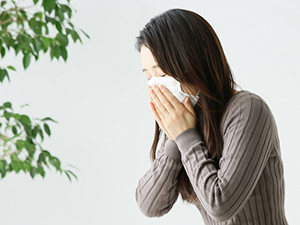
フラボノイドには優れた抗アレルギー作用が期待されているため、アレルギー性鼻炎の予防と改善に最適です。
そのため、アレルギー性鼻炎のケアが目的の場合は、フラボノイドが豊富に含有されている製品を選ぶべきでしょう。
具体的には、フラボノイドを抽出しやすいアルコール抽出・三種抽出法・四種抽出法などの技術を採用している製品がおすすめです。
フラボノイドが豊富に含有されているレッドプロポリスを原材料に使用している製品も相性が良いでしょう。
また、上記したとおり、免疫力を向上させる働きがあり抗菌作用も期待されています。
そのため、風邪やインフルエンザなどに由来する鼻炎や鼻詰まりのケアにも効能を期待することができます。
疲労の解消

プロポリスは、疲労解消にも効果を期待することができます。
疲労を蓄積すると身体の調子が崩れやすくなり、様々な病気の原因となってしまいます。
身体的な疲労・精神的な疲労の両方をケアすることができるプロポリスは、非常に有用性の高い健康食品と言えるでしょう。
疲労解消に効果を発揮する理由としては、以下が挙げられます。
【疲労の原因】
ひと昔前まで、疲労は栄養不足によって生じると考えられていたそうです。
しかし最近では、慢性的な疲労は活性酸素によって引き起こされると考えられています。
プロポリスは優れた抗酸化作用を有するため、疲労回復に効果が期待されています。
【抗酸化作用が期待される含有成分】
抗酸化作用を持つ主な含有成分としては、桂皮酸誘導体が挙げられます。
アルテピリンCやp-クマル酸などの桂皮酸誘導体には、非常に強力な抗酸化作用が期待されています。
フラボノイド類やビタミンEも優れた抗酸化作用を持つ成分です。
【疲労回復に適した製品選び】
疲労回復に効率良く取り組むには、上記した成分をバランス良く含む製品が最適です。
特に、桂皮酸誘導体の含有量が十分確保されているかどうかは重要なポイントと言えるでしょう。
その点を踏まえると、ブラジル産のグリーン系プロポリスを原材料に使用しているサプリメントが理想的です。
自律神経失調症の予防
プロポリスは、身体的な疲労や不調だけでなく、精神的な不調のケアにも適しています。
特に、自律神経失調症のケアには優れた効果を期待することができます。
自律神経失調症は、不規則な生活やストレスなどによって自律神経のバランスが乱れて引き起こされる病気。
具体的な症状としては、イライラや不安感、抑うつ気分などが挙げられます。
さらに、動悸や倦怠感、肩こりなどの身体的な症状に悩まされるケースもあります。
そんな自律神経失調症に対して、プロポリスの代謝を促進する作用が役立ちます。
代謝を促進する働きによって血行不良が改善されると、自律神経のバランスが整いやすくなります。
ただし、プロポリスに頼るだけでなく、生活習慣を見直すことも大切です。
・昼夜逆転の生活は避けるようにする
・ストレスを溜め込まないようにする(ストレス解消の手段を見つける)
などのポイントにも目を向けるようにしましょう。
肌の健康維持
プロポリスには、殺菌作用だけでなく、抗炎症作用も期待されています。
そのため、皮膚に直接塗布することで肌の健康維持にも役立ちます。
具体的には、以下のようなケースで活用することが可能です。
ニキビ

ニキビの原因となるのは、アクネ菌という雑菌です。
そのため、プロポリスの殺菌・抗菌作用を活用すれば、ニキビを効果的に予防・改善することができます。
大人ニキビはもちろん、思春期ニキビのケアにもおすすめです。
殺菌・抗菌作用だけでなく炎症を抑える働きもあるため、悪化してしまったニキビの痛みを抑えることもできます。
虫刺され
虫刺されによる痒みや痛み、腫れなどをケアすることができます。
この場合では、サプリメントではなく原液が便利。
綿棒などで直接塗布することによって、炎症を抑える効果を期待することができます。
水虫
水虫の原因となるのは、真菌の一種である白癬菌。
一度感染すると、再発するケースが多いため、十分に対策を講じておくことが大切です。
既に発症してしまった場合には、プロポリス原液を肌に直接塗布するのがおすすめ。
痒みを和らげる効果を期待することができます。
予防には、サプリメントの摂取が最適です。
抗菌・殺菌作用や抗酸化作用によって身体の免疫力を高めて、真菌の繁殖を抑えることができます。
口腔の健康維持
プロポリスの殺菌作用は、オーラルケアに活用することもできます。
サプリメントで身体の内側から免疫力を向上させるパワーもありますが、オーラルケアに活用する場合は、歯磨き粉を使用するのがおすすめ。
歯・歯肉にダイレクトに働きかけます。
虫歯
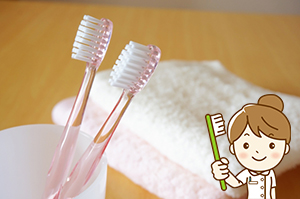
虫歯を予防したい場合は、プロポリスの歯磨き粉が役立ちます。
出来てしまった虫歯をプロポリスだけで治療することは難しいですが、予防には最適です。
ただし、抗菌作用によって虫歯菌を退治するだけでなく、鎮痛作用や抗炎症作用によって痛みを和らげることは可能。
万が一、既に虫歯になってしまっている場合でも、治療と並行してプロポリスを使用するのはおすすめです。
歯周病・歯槽膿漏
歯周病・歯槽膿漏の原因は、歯磨きで掃除できなかった歯垢に繁殖する歯周病菌。
歯周病菌は、歯茎に炎症を引き起こしたり、出血の原因となることもあります。
さらに、深刻化するまで放置してしまうと、歯を支えている骨を溶かしてしまうこともあるので注意が必要です。
日本では、成人の8割が歯周病に罹患していると言われています。
初期段階では自覚症状がないため、放置してしまいがちですが、早めに対策を講じるように心がけましょう。
ちなみに、歯周病の初期症状としては、以下のようなサインがあります。
- 歯磨きをしただけなのに歯茎から出血する
- 朝起きると口の中がベトベトする
- 歯茎が赤く腫れている気がする
- 歯磨きをしても口臭がとれない
プロポリスを活用したオーラルケアのうち、もっとも注目したいのが歯周病や歯槽膿漏を改善する効果です。
優れた殺菌作用によって、歯周病菌を抑制することができます。
初期段階の歯周病はもちろん、深刻化してしまった歯周病を解決したい場合にもおすすめです。
ちなみにこの目的には、サプリメントではなくプロポリス配合の歯磨き粉がおすすめです。
その他の健康効果
上記したい以外にも、プロポリスには以下のような効果が期待されています。
- 胃腸の調子を整える
- 不妊や子宮筋腫などの女性特有の疾患をケアする
- 腎臓などの内臓の調子を整える
- 貧血を予防する
美容への効果
プロポリスは、健康維持に役立つだけでなく美容にも役立ちます。
毎日を若々しくイキイキと過ごしたい…そんな女性を力強く後押ししてくれるのが魅力!
「鏡を見るのも辛い」
「年齢を重ねて自信をなくした」
そんなお悩みを抱えている方におすすめしたいアイテムです。
シミ・シワの改善
年齢を重ねることによって、シミやシワが消えなくなってきた…
厚化粧しても、誤魔化しがきかない…
そんなときに役立つのが、プロポリスのサプリメントです。
内側から若々しさを補って、素肌の美しさをケアします。
シミ・そばかす

シミやそばかすの原因は、紫外線や年齢、ニキビや吹き出物などのケア不足、ホルモンバランスの乱れなどが代表的です。
これらの要素が複合的に重なって生じるケースが多いため、思い当たる要因をひとつひとつ解消していくことが大切です。
特に、紫外線を極力避けるようにするのは大切なポイント。
紫外線の強くなる季節は、日傘を持ち歩いたり、日陰を歩くように心がけるなどの意識を持つようにすることも重要です。
プロポリスが、シミやそばかすの改善に役立つ最大の理由として挙げられるのは、肌のターンオーバーを活性化する働きです。
桂皮酸誘導体やフラボノイドなどの抗酸化作用によって、ターンオーバーを妨げる過剰な活性酸素を除去することができます。
この働きによって、シミの解消に効果が発揮されます。
シワ

シワの原因もシミと同様に、紫外線によるダメージが大きいと考えられています。
さらに、乾燥もシワの原因のひとつです。
この二つの要因を放置してしまうと、シワが深刻化していきます。
そこで役立つのは、やはり、プロポリスに期待されている優れた抗酸化作用です。
抗酸化作用が肌のターンオーバーを促して、シワが生じにくい肌質をつくります。
ダイエット

プロポリスには、ダイエットをサポートする働きも期待されています。
無理な食事制限ではなく、健康的に痩せたい…そんなケースで役立ちます。
もちろん、プロポリスを摂取するだけで瘦せる…ということはありません。
あくまでも効率の良いダイエットをサポートするものです。
しかし、摂取するのとしないのとでは、効率が大きく異なります。
上手に活用して理想の体型を目指しましょう。
ダイエットに役立つ代表的な成分としては、フラボノイド類のうち、アントシアニンやイソフラボンなどが挙げられます。
特に、アントシアニンは血液をサラサラにして、内臓脂肪の蓄積を抑える働きが期待される成分です。
そんな嬉しい成分を毎日補給できるのは、非常に大きなメリットと言えるでしょう。
また、カテキンが含有されているのもポイントです。
カテキンには、脂肪燃焼効果が期待されています。
役に立つのは、フラボノイド類だけではありません。
悪玉コレステロールを抑制して善玉コレステロールを増やすオレイン酸や、糖の代謝を促進するビタミンDなども含有されています。
そのため、プロポリスを摂ることで、非常に効率よくダイエットに取り組むことができるでしょう。
むくみ解消
むくみを解消したい場合にも、プロポリスが効果的です。
老廃物の排出を促すデトックス効果があるため、脚のハリや顔のパツパツ感が気になる場合には、上手に活用したいところ。
不純物・老廃物を洗い流してスッキリを目指しましょう。
毛髪
プロポリスは、肌の美容だけでなく、髪の毛の美容にも効果を発揮します。
- 黒く艶のある髪の毛を目指したい
- 白髪を何とかしたい
- 抜け毛や薄毛をケアしたい
などなど、髪にまつわる様々な悩みを幅広くケアできるのが特徴です。
美髪
プロポリスは、髪の毛の艶やハリを求める女性にもおすすめ。
この効果の背景には、血行を促進する働きがあります。
血行が促進されると、髪の毛に栄養を届ける役割を果たす頭皮まで栄養素と酸素がしっかりと届くようになります。
そのため、髪の毛のハリと艶をサポートする効果を期待することができるのです。
白髪

白髪は、髪の毛にメラニン色素が不足することで引き起こされます。
具体的には、メラノサイトというメラニンを作り出す働きが上手く機能していないことが白髪の原因となることが多いようです。
また、メラニン色素のもととなる栄養素であるチロシンが不足することも白髪の原因となります。
残念ながら、プロポリスには白髪の原因を根本からケアする成分が含まれていません。
しかし、髪の毛の健康を支えるアミノ酸やミネラル類をバランス良く含むため、間接的に白髪をケアする効果を期待することはできます。
血行や新陳代謝を促進する働きも白髪対策には有効です。
それらの働きで総合的に白髪のトラブルを改善します。
抜け毛・薄毛

抜け毛や薄毛などの毛髪トラブルは、様々な要素が複合的に作用して原因となるケースが殆どです。
ストレスや生活習慣の乱れによる血行不振、遺伝的要因、ホルモンバランスの乱れなどが複雑に重なり合うことで抜け毛を引き起こします。
そして、上記した要因のうち、プロポリスは血行不振による抜け毛をケアするのに最適です。
血行が促進されることによって、髪の毛の土台である頭皮に十分な栄養と酸素が運ばれるようになり、抜けづらい太く強い毛が育つようになります。
そのため、発毛を促進することはできませんが、今ある毛を強く抜けづらくする「育毛効果」は非常に優秀と評価することができるでしょう。
おすすめコラム一覧Related column